
Summer 2026 Newsletter: Training Updates
Summer Sesshin
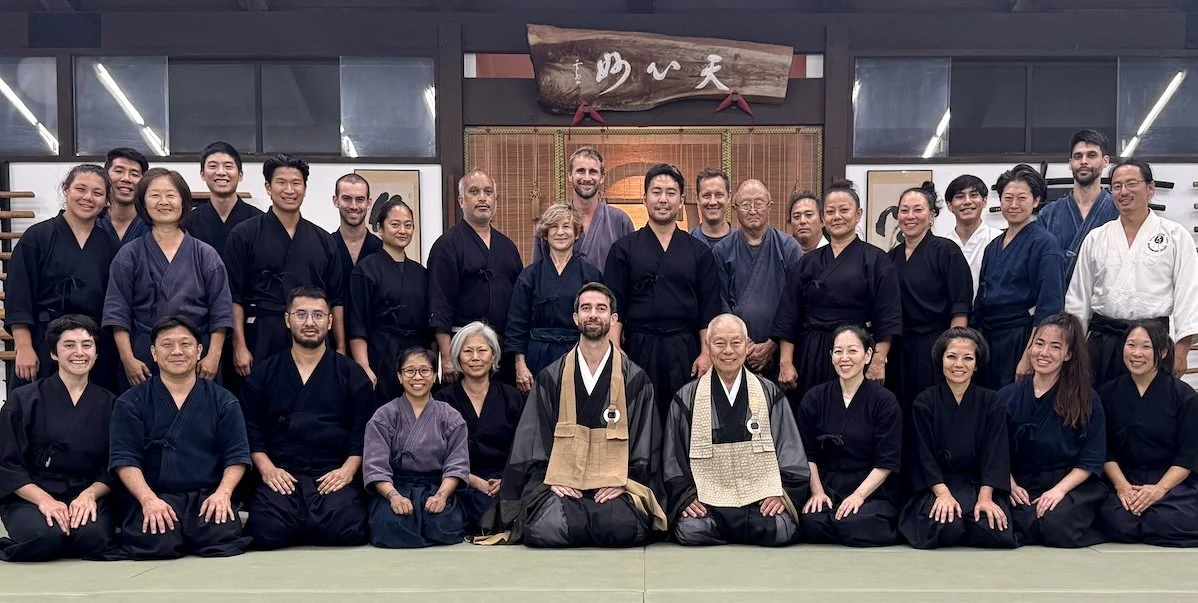
Our recent summer sesshin was well attended, with 28 participants led by jiki Nalani Kaku. This sesshin was organized around dedicated training time in the arts with groups putting in extra sessions training in kyudo, hojo, boxing, hula, aikido and tai chi.
Kangen Roshi's teisho addressed each of these arts and their relationship to Zen training. At the conclusion, Sayama Roshi and Kangen Roshi recognized the inka that long time member and priest, Zak Opaskar, had received from Kow Roshi, and also designated him as a Chozen-ji Roshi.
Our next dai sesshin will be held November 30 to December 6, 2026. Please reach out if you are planning to attend.
Chozen-ji On The Road
Dispatches from Davao, Shanghai, Okayama, Kyoto, Kahoʻolawe & Los Angeles
Davao, Philippines
by Geraldine Abergas and Chris Sybico
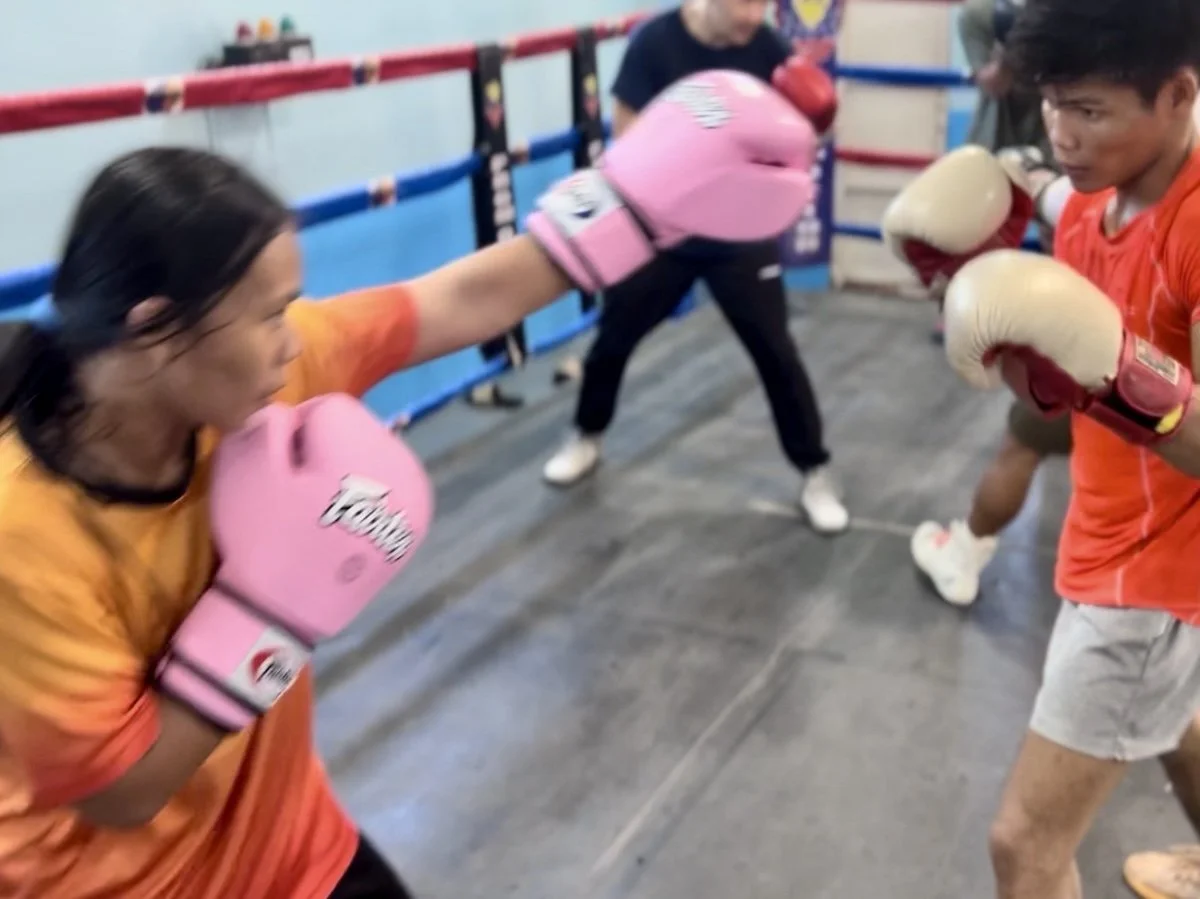
Boxing is woven into the fabric of culture of the Philippines. It is discipline, pride, and—for many young people—a genuine path forward when other opportunities feel out of reach. When we traveled to the Philippines to work with a group of high school students, we found young people already drawn to boxing. They arrived eager to learn, full of energy, and willing to give themselves completely to the training.
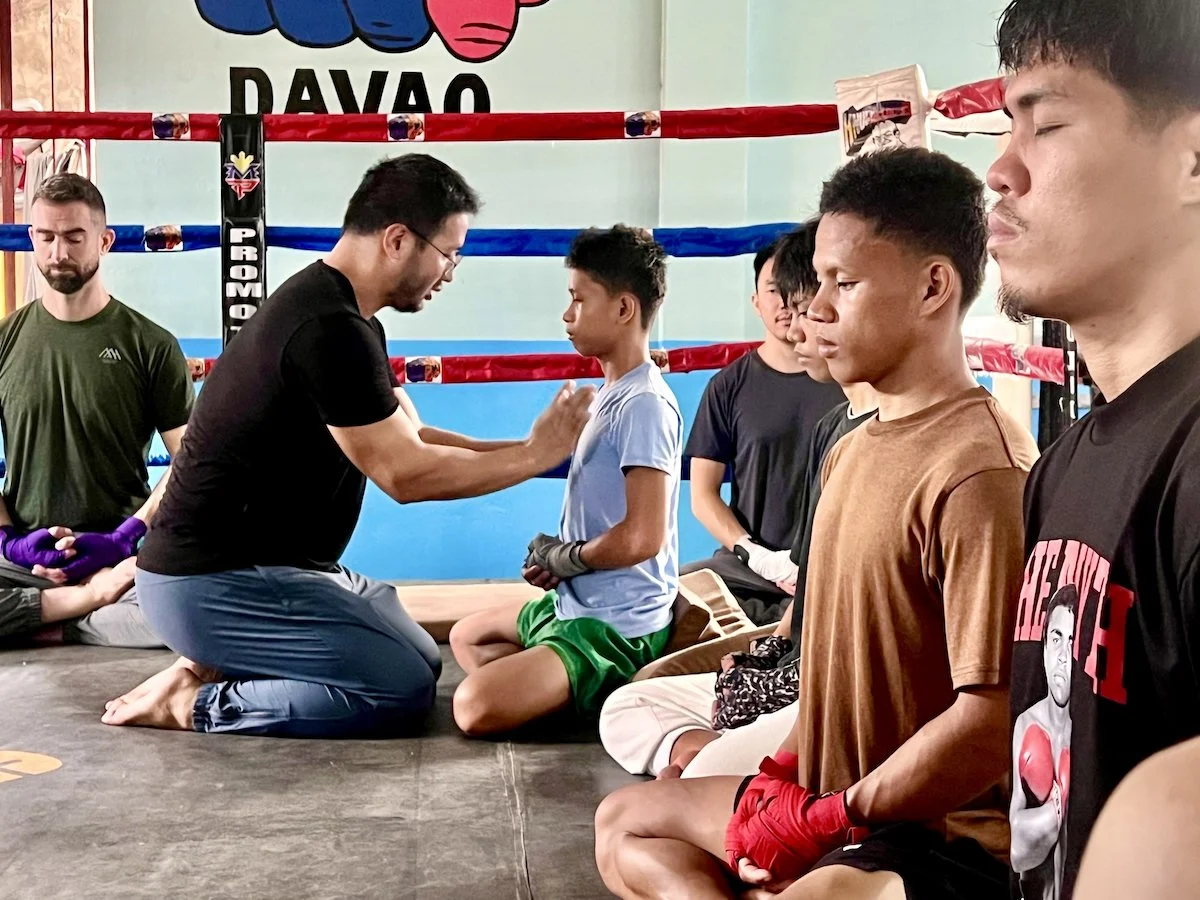
Each morning began with zazen before we stepped into the gym. Though different in form, zazen and boxing ask for the same thing: complete attention, one moment at a time. For these students, that wasn’t an abstract lesson. Many were navigating poverty, food insecurity, and limited access to education. The ability to remain steady in the midst of uncertainty was not only valuable in the ring, it was an important life skill. These students embraced both the sitting and the training with remarkable sincerity, surprising us with their willingness to commit, even to practices like okyo.
As the days passed, something began to shift. The wild boxing gave way to greater intention. Confidence replaced hesitation. Questions became deeper. We saw students beginning to recognize potential within themselves that had perhaps always been there, waiting for the right conditions to emerge.
The experience also transformed the teachers. I (Chris) traveled while my father was critically ill, carrying uncertainty, difficult decisions, and an unknown future. Yet each day, the students’ wholehearted attention drew me fully into the present moment. In teaching them, I found stability, renewed energy, and the strength to return home more prepared for what awaited me. It was a quiet reminder that in sincere practice, teacher and student grow together.
Filipino culture already possesses many of the qualities that support this kind of training: resilience, generosity, discipline, and heart. In Hawaiʻi, we speak of aloha. In the Philippines, there is kapwa—the understanding that our lives are deeply interconnected. Neither idea is learned through explanation alone; both are realized through shared experience.
Our hope is that these students discovered not only new skills, but a different way of seeing themselves and their future. We also hope this is only the beginning. The seeds that were planted extend beyond this single training camp, carrying the potential for lasting relationships, future visits, and continued growth between our communities. We returned home grateful for what was shared, inspired by what is possible, and excited to see what may emerge in the years ahead.
Shanghai, China
By Christine Cordero and Carl He
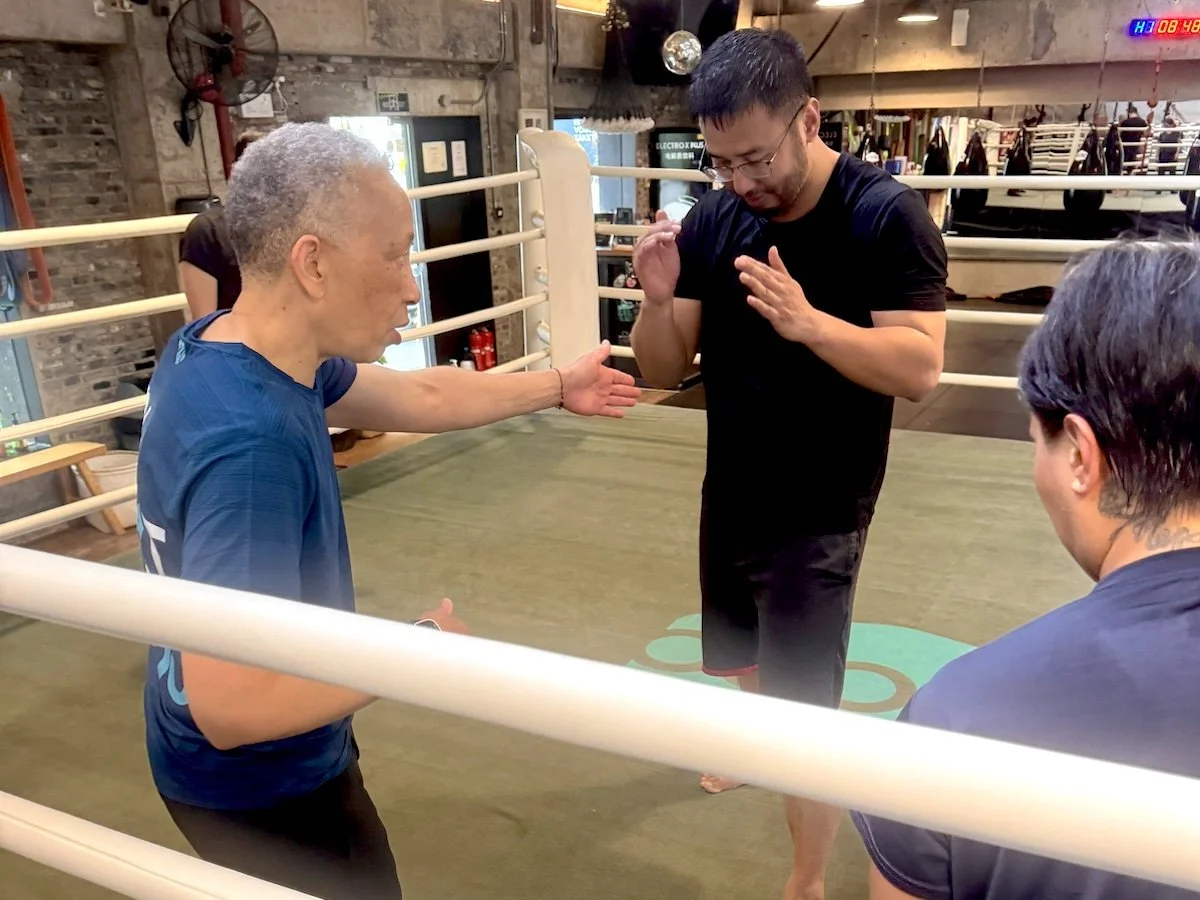
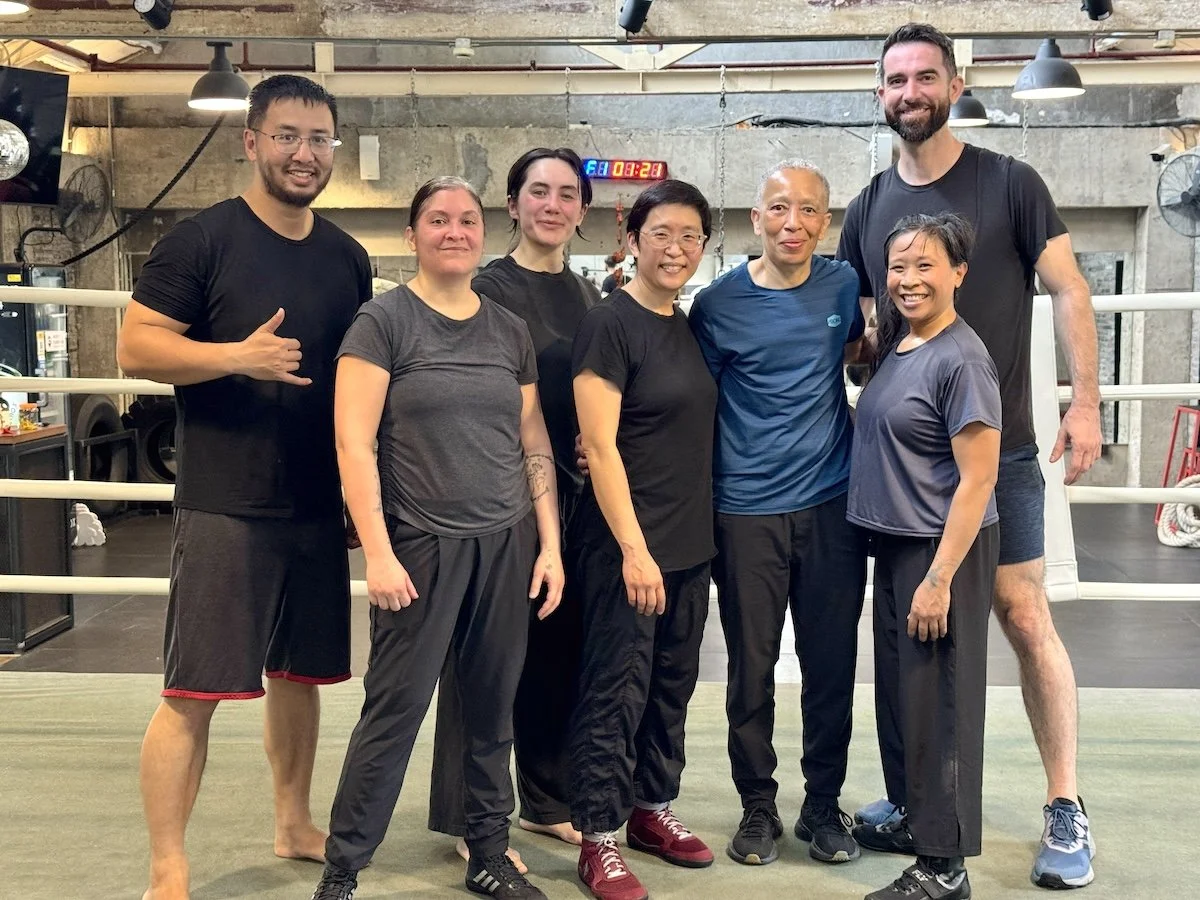
In April 2026, Christine Cordero, Michael Kangen Roshi, and Carl He brought a crew of Zen students from the Oakland dojo to participate in a five-day intensive boxing and Zen training with undefeated, seven-time world champion Michele Aboro at her Aboro Academy in Shanghai. While Michele has come to Hawaiʻi and Oakland to teach, this is the first time a U.S. crew went to Aboro Academy in China to train. The goal was to immerse fully in Michele's world of boxing—the Aboro Method—and expose the students to the highest possible level of boxing training, in the optimal environment.
There is a saying that, “We form the environment, then the environment forms us.” Just as the lands and buildings of Chozen-ji grounds Zen training, Aboro Academy does the same for boxing. The Aboro Academy has none of the grime typically associated with boxing gyms. Instead, it adheres to the strict vision Michele shares with her partner, Masca Yuen—efficient and clean, with the smell of essential oils contrasting with the striving and struggle of intensive boxing classes.
The five-day training followed a strict daily regimen, starting with early morning zazen, then boxing and conditioning instructed personally by Michele. In the afternoon, the students participated in an open boxing class taught by one of the Aboro Academy coaches. After hard training, the students interacted and asked questions of Michele in an informal version of teisho—about her life, career, coaches, inspirations, and mindset. Michele spoke with great humor and openness about the struggles in her early life until becoming a world champion, and about her life thereafter.
Each student deepened her training in boxing and Zen throughout the week—reaching and surpassing physical and psychological limits. By learning how and why the Aboro method has taken root and grown in many places, including Shanghai and Hawaiʻi, each student is bringing back the spirit of Chozen-ji / Aboro training back to their home locations.
In Oakland, CA, the Oak Zen Dojo will increase attention to integrating the Chozen-ji/Aboro method with boxing they were already learning locally. They will co-train technical detail and repetition to create conditions for samadhi with a larger group of students, as well as do high engagement partner work to continue training kiai first and responding effectively moment-to-moment.
Cross-training between Hawaiʻi, Shanghai, and Oakland will continue and deepen in the coming years.
Okayama & Kyoto, Japan
By Michael Kangen Roshi
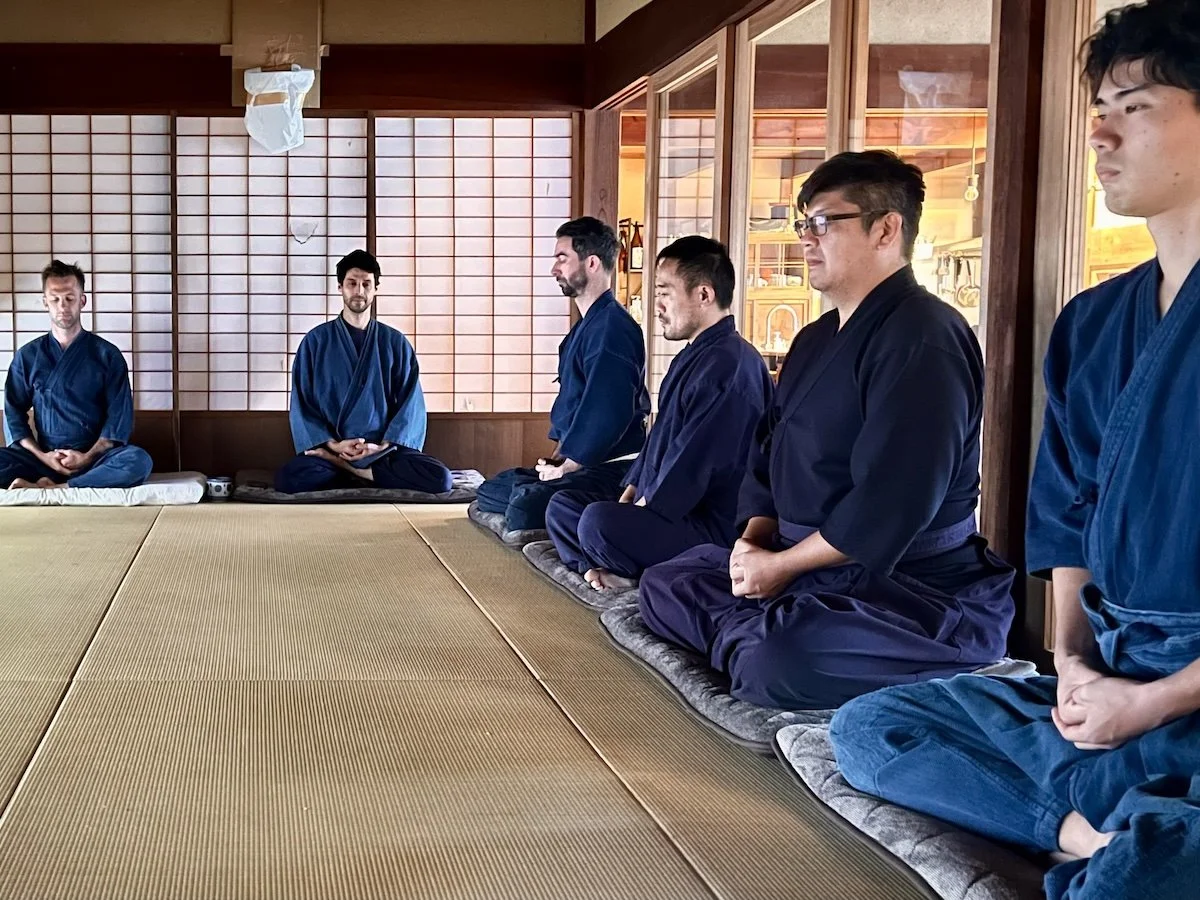
A group of seven Chozen-ji members joined the carpentry firm, Somakosha, for a three-day intensive training in Okayama, Japan in May. Somakosha is our partner in building the new Shodo/Kado building.
Part of our collaboration with Somakosha has been to make Chozen-ji training available to their carpenters. The first introduction happened earlier this year when Chozen-ji priest, Eric Birkeland, lived and worked with the carpenters for three months. He anchored daily morning zazen that has continued since his return to Hawaiʻi Our group joined Eric and the carpenters for three days of more intensive training that included morning and evening zazen, teisho, and manual labor. The three-day training culminated with a final BBQ,where everyone was in great spirits. The relationships built in Okayama will be built upon when the carpenters come to Chozen-ji this Fall to erect the new building. While they're here, they'll join the regular training at Chozen-ji.
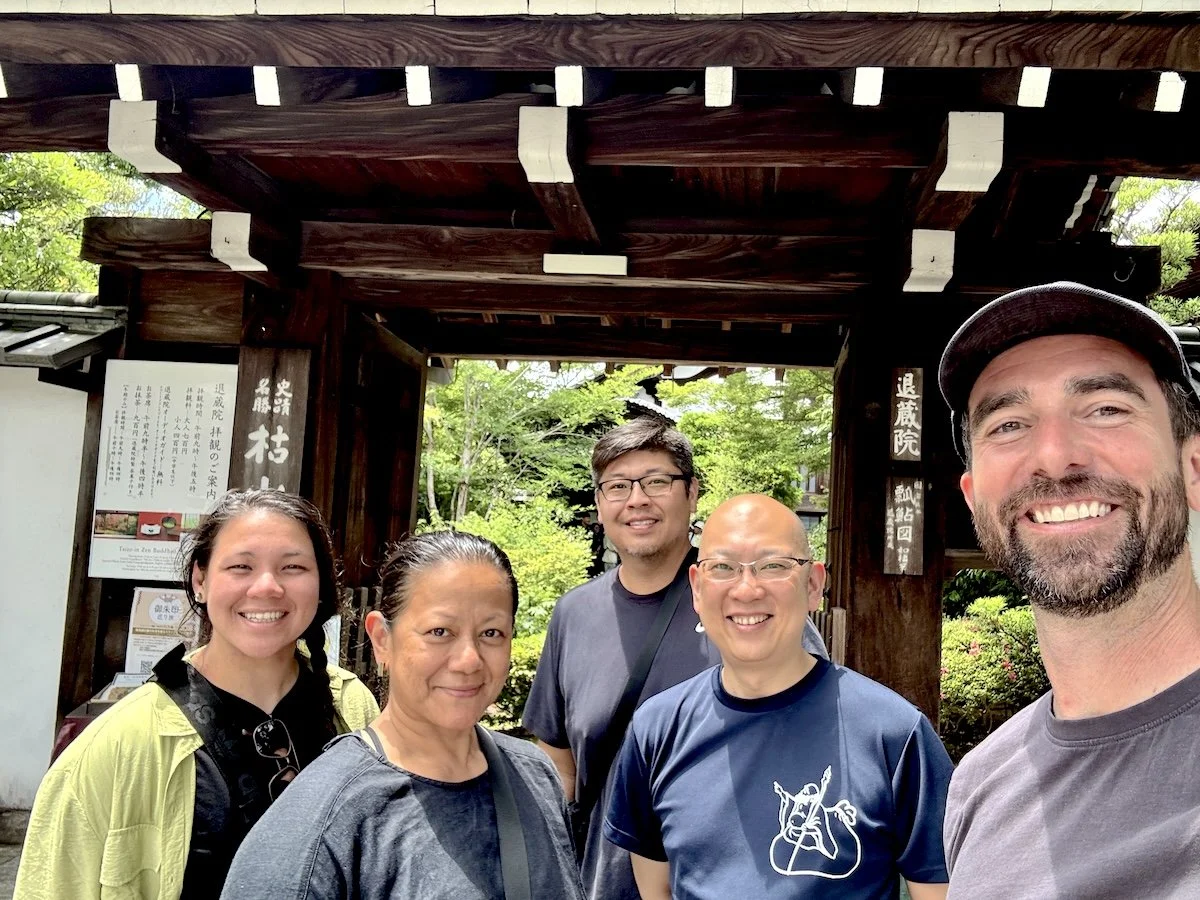
After the training in Okayama, some of the Chozen-ji group traveled to Kyoto to visit several temples, including Daihonzan Tenryu-ji and Daihonzan Myoshin-ji, to experience the roots of Chozen-ji’s training methods. We were hosted at Myoshin-ji by Chozen-ji friend Rev. Daiko Matsuyama. We had a gourmet dinner on our last night in Kyoto with Zen Bodytherapy practitioner Samir Arora at his home in Kyoto.
This trip helped foster the dojo's relationships in Japan and also served as a first foray into reconnecting Chozen-ji with Japan through training. These relationships will continue to grow and allow Chozen-ji to be better connected to our roots in Japan.
Kaho’olawe
By Nalani Kaku and Burt Lum
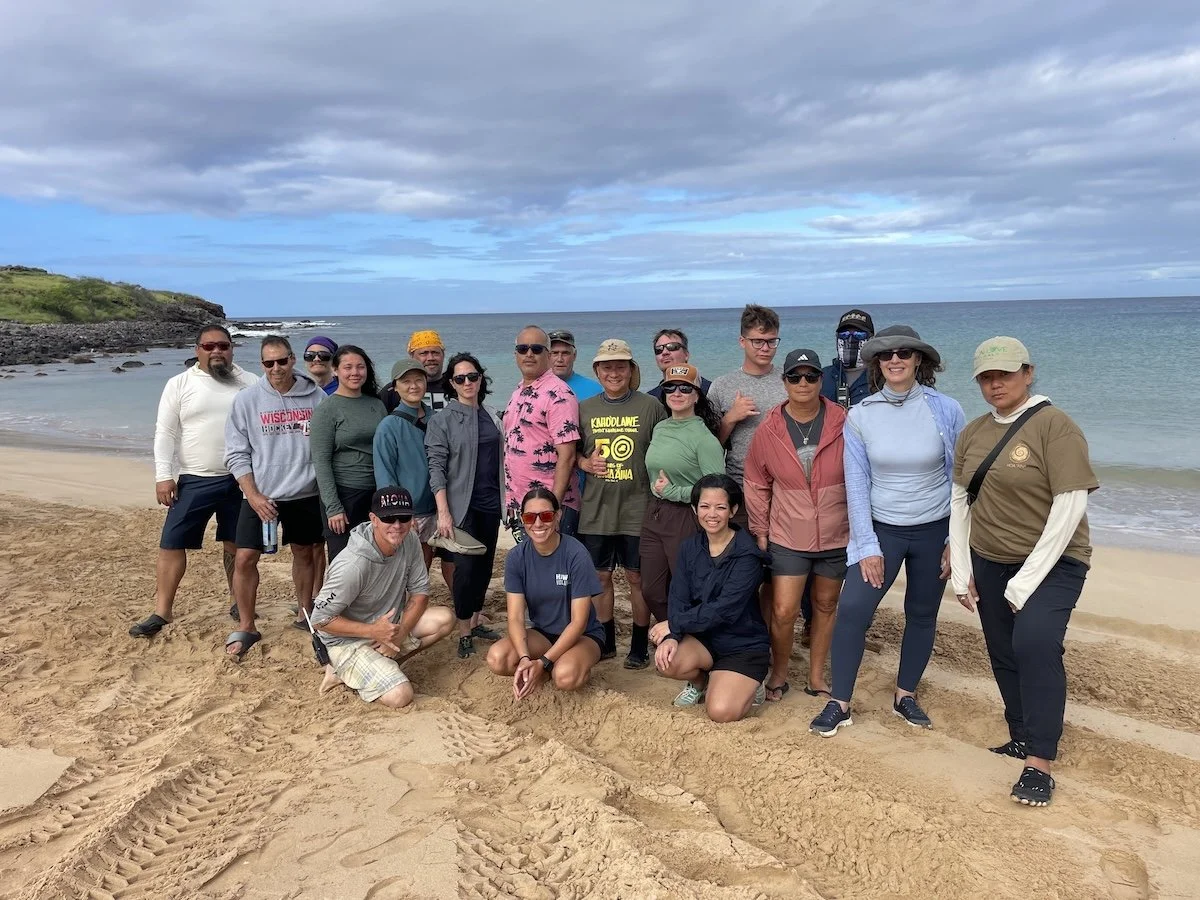
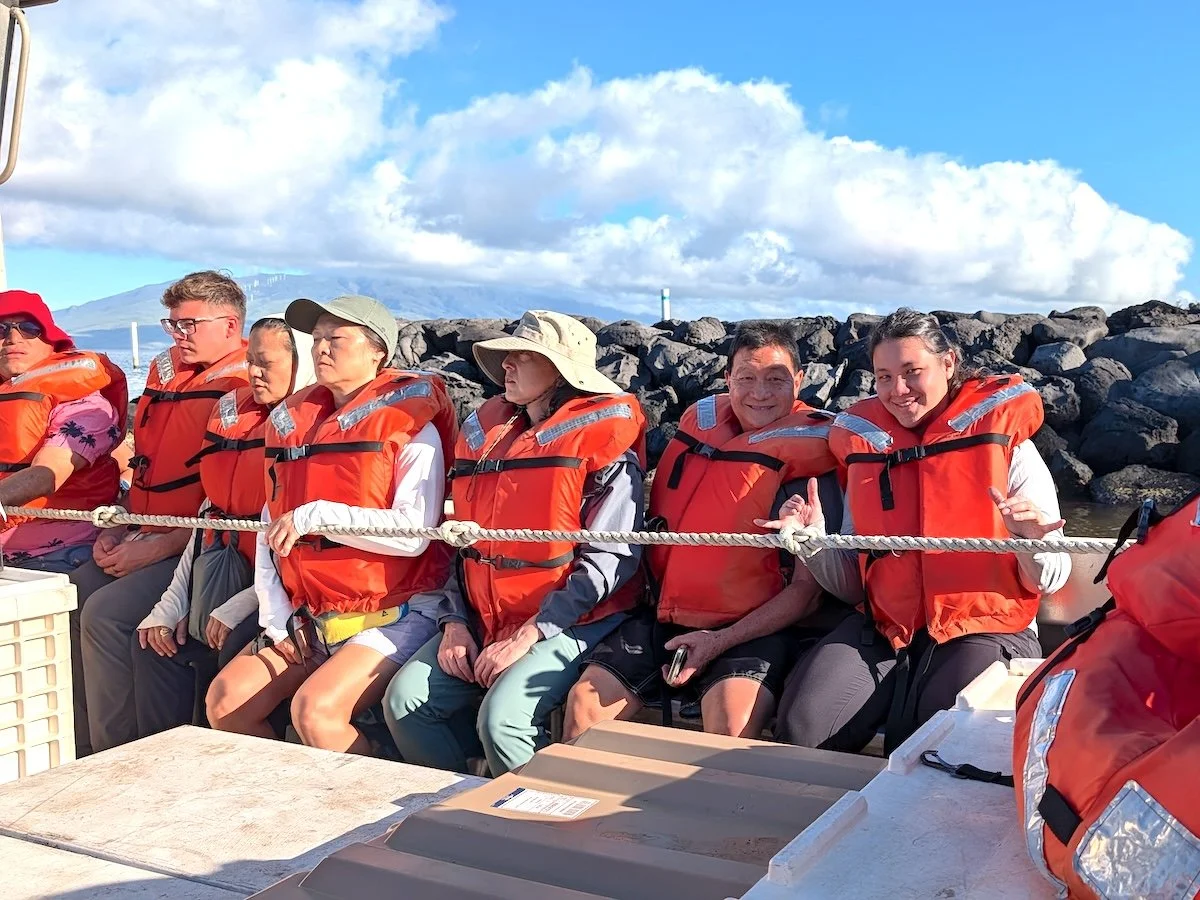
From April 17 to 20, 2026, nine members of Chozen-ji traveled to Kahoʻolawe for a service trip with the Kahoʻolawe Island Reserve Commission (KIRC). The group included Nalani Kaku, Geraldine Abergas, Kanaʻi Gomes, Kelly Quitevis, Nicolette Parr, Shawn Benton, Katy Luo, James Pakele, and Burt Lum.
The work focused on land restoration: planting native species including ʻakiʻaki grass, pili, and ʻākulikuli, removing invasive koa haole, and repairing roads damaged by storms. We worked alongside KIRC staff Dean Tokishi and Paul Higashino, whose steady, long-term commitment to the island's recovery was evident in everything they did.
For three days, the group lived and worked on the island—waking early for zazen, spending the days in physical labor, and gathering in the evenings to reflect. While we were planting, clearing, and hauling, the land gave back to us. There was no separation between the work and the training, or between us and the ʻāina.
The immediate impact was modest in scale but meaningful in spirit. Our contribution was one small piece of an ongoing, multigenerational restoration effort. What we carried home was a clearer sense of what that kind of commitment looks like—and a deeper appreciation for the people doing this work every day.
Los Angeles, California
By Michael Kangen Roshi
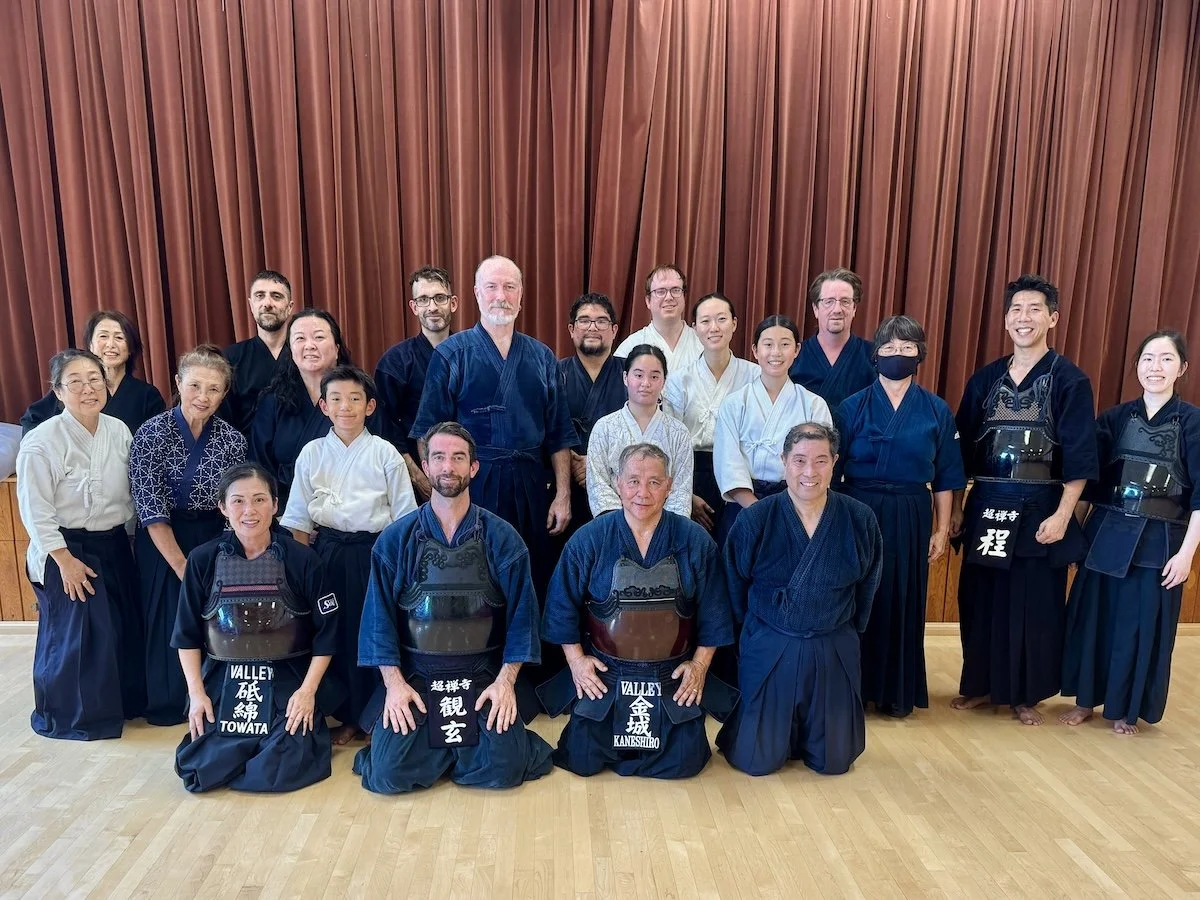
Andrew Ching, Janelle Inao, and Michael Kangen Roshi travelled to Los Angeles to train with the Valley Kendo Club in July. Bill Kaneshiro Sensei, founder and senior instructor at Valley Kendo, had visited Chozen-ji twice to participate in zazen and kendo and invited us to join their Dojo and introduce the Zen training aspects of kendo.
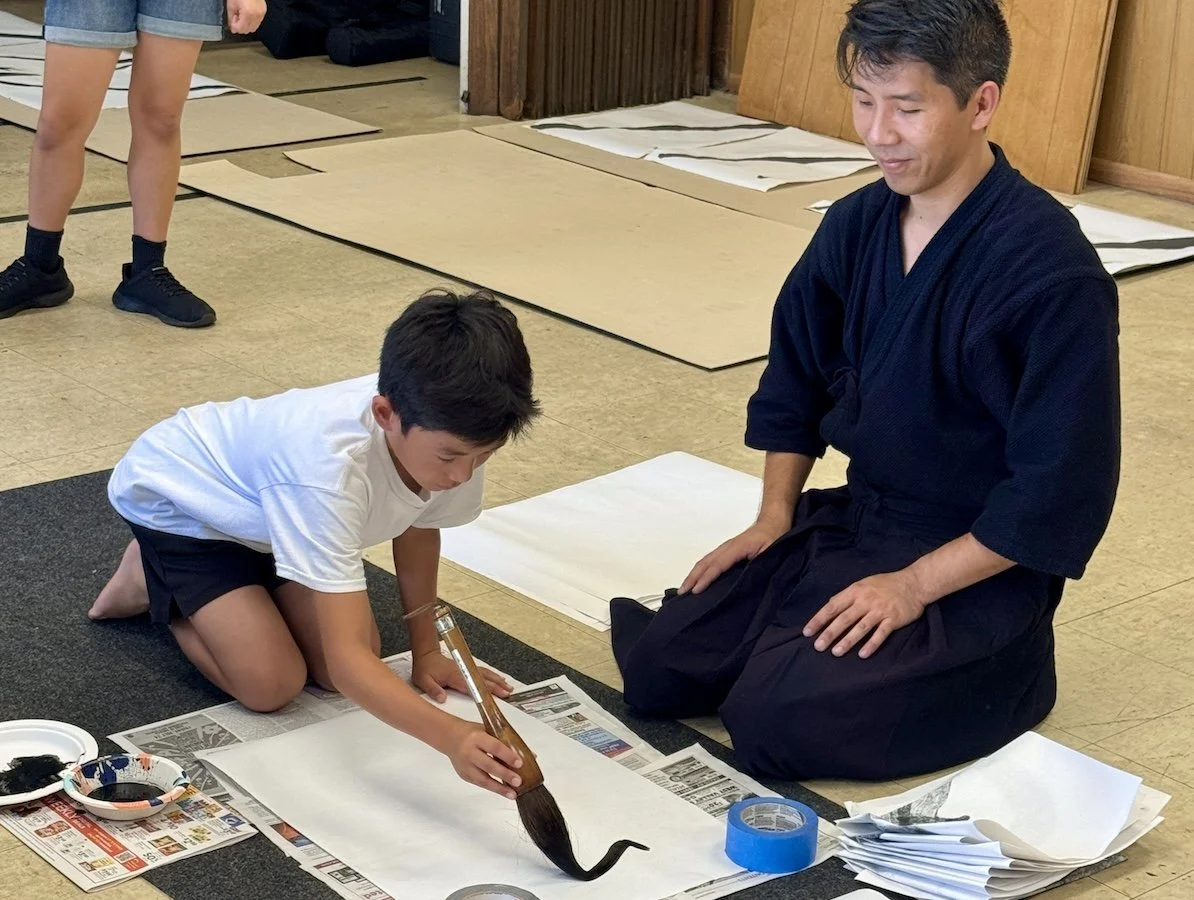
The attendance included all ages and members of four different kendo dojos. Training was held in the historic Valley Japanese Cultural Center, constructed in the 1950s by a community of formerly incarcerated members of the Japanese American Community in LA. We offered instruction in zazen, Hojo Walk and demonstrated the Hojo kata and shakuhachi. We finished with basic shodo instruction and everyone got to see their selves reflected in their mujibo (single line).
This trip gave Andrew and Janelle a chance to see how hungry other martial artists are for a chance to deepen their training through Zen. We are looking forward to future collaborations with the Valley Kendo Club. We have already heard that their students are interested in starting a zazen practice at their dojo.